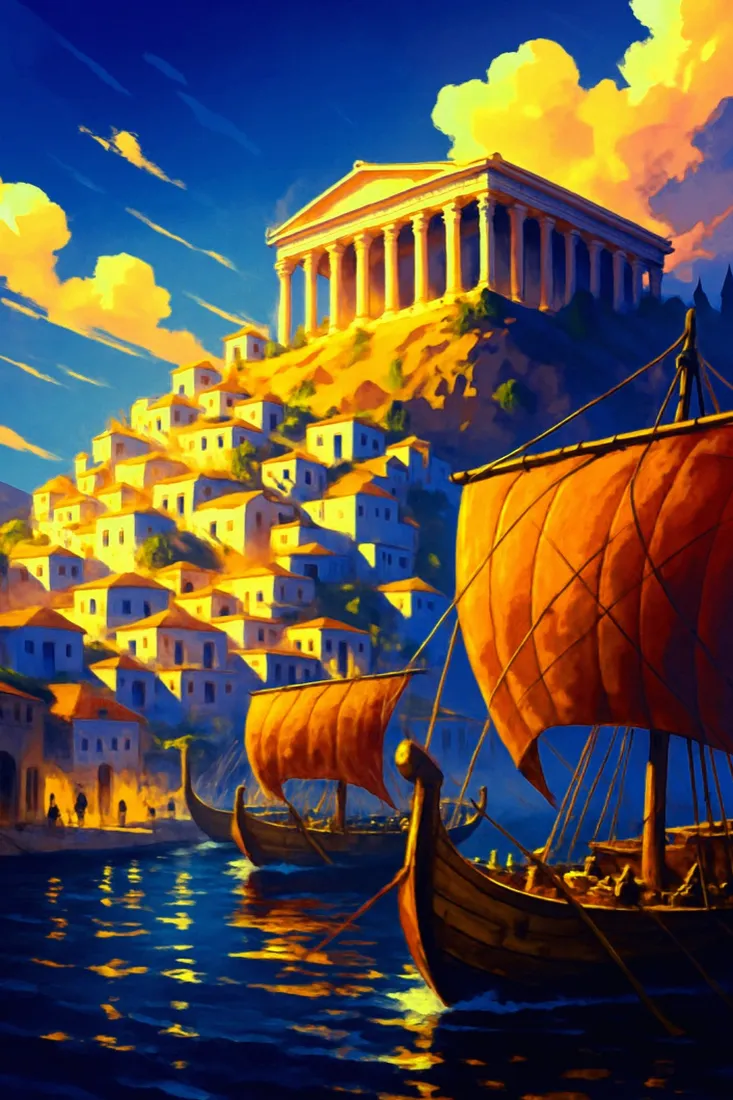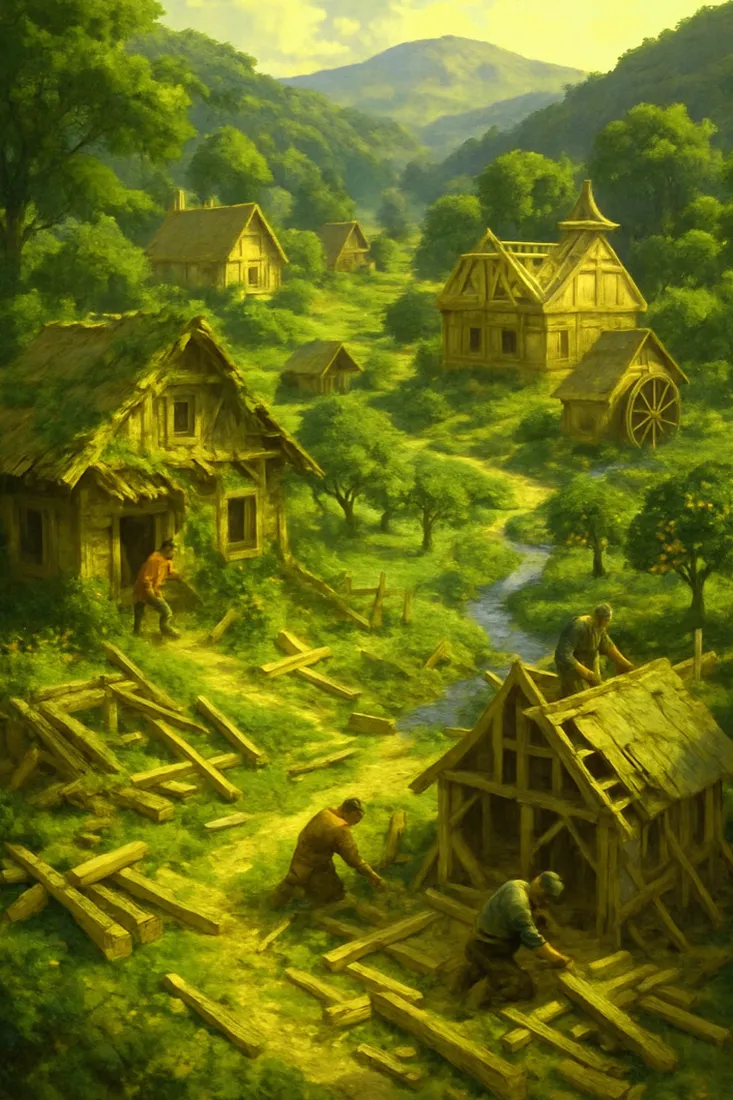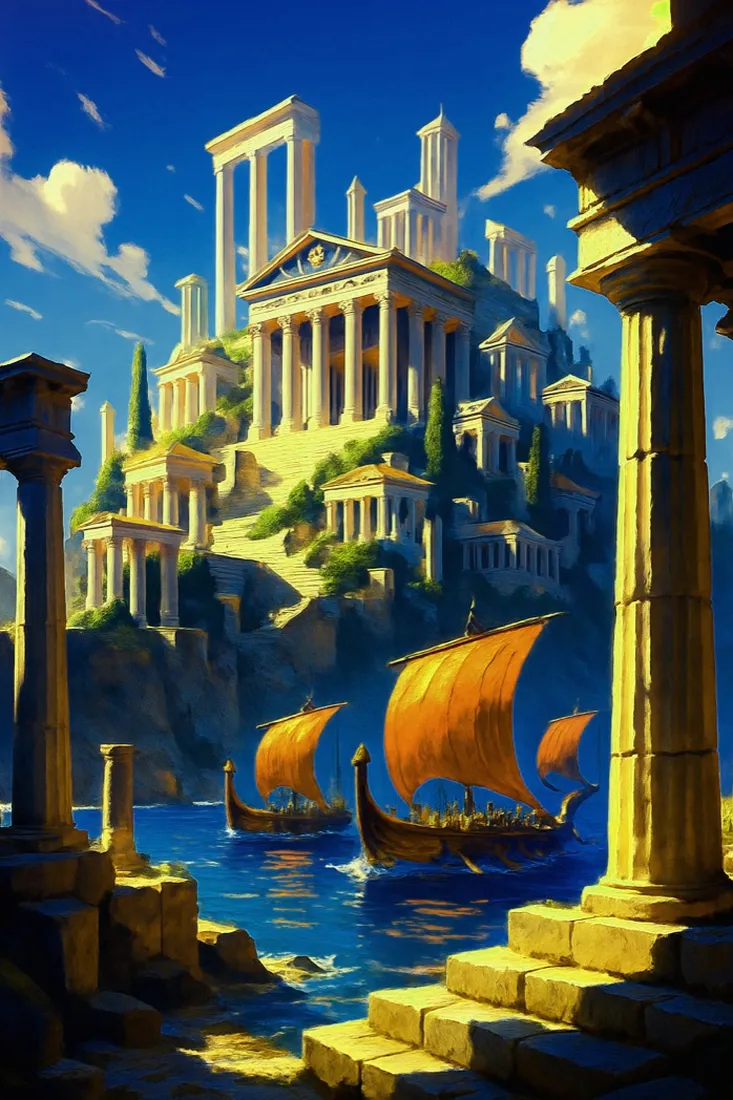
Grepolis begins modestly. You are handed a small Greek settlement on an island, a handful of buildings to upgrade, and a tutorial that walks you through the timber camp, the quarry and the silver mine. Wood, stone and silver coins are the backbone of everything, and for the first few evenings it feels like a tidy, familiar city builder with a classical coat of paint.
Then you look at the map properly. Your island is one of many, the farming villages on your shore are your first trading partners, and every ambition beyond your own town requires a boat. That is the moment Grepolis stops being a builder and becomes a game about sea lanes, timing and who controls the water between two rocks. Few browser games use their setting so thoroughly.
Thirteen buildings and a lot of decisions
InnoGames describes thirteen buildings and eight monuments, plus more than thirty technologies to research in the Academy, and the numbers matter less than the trade-offs they force. Every hour you spend on the farm so the city can house more people is an hour not spent on the harbour or the barracks. Early on, we found ourselves rebuilding priority lists every morning over breakfast.
The Academy is where your city’s personality forms. Research points are scarce enough that you cannot have everything, so a city aimed at naval offence looks quite different from one built to hold a contested island. That is the first real sign of depth: two players who started on the same day can be playing entirely different games a month later.
Choosing a patron from Olympus
Each city worships one god, and the choice shapes how you play. Zeus, Poseidon, Hera, Athena and Hades all offer their own miracles and their own mythical units. Hera can help with production, while Poseidon can weaken enemy sea power, which tells you how much the designers want the water to be part of the fight.
Favour builds up over time and is spent on those miracles or on creatures such as Pegasus, Medusa, the Cyclops, the Minotaur, the Hydra and the Manticore. They are expensive and dramatic, and deciding when to spend banked favour is one of the nicest tense moments in the game. Our Poseidon city felt fragile on land but frightening at sea.
Why the fleet is the real army
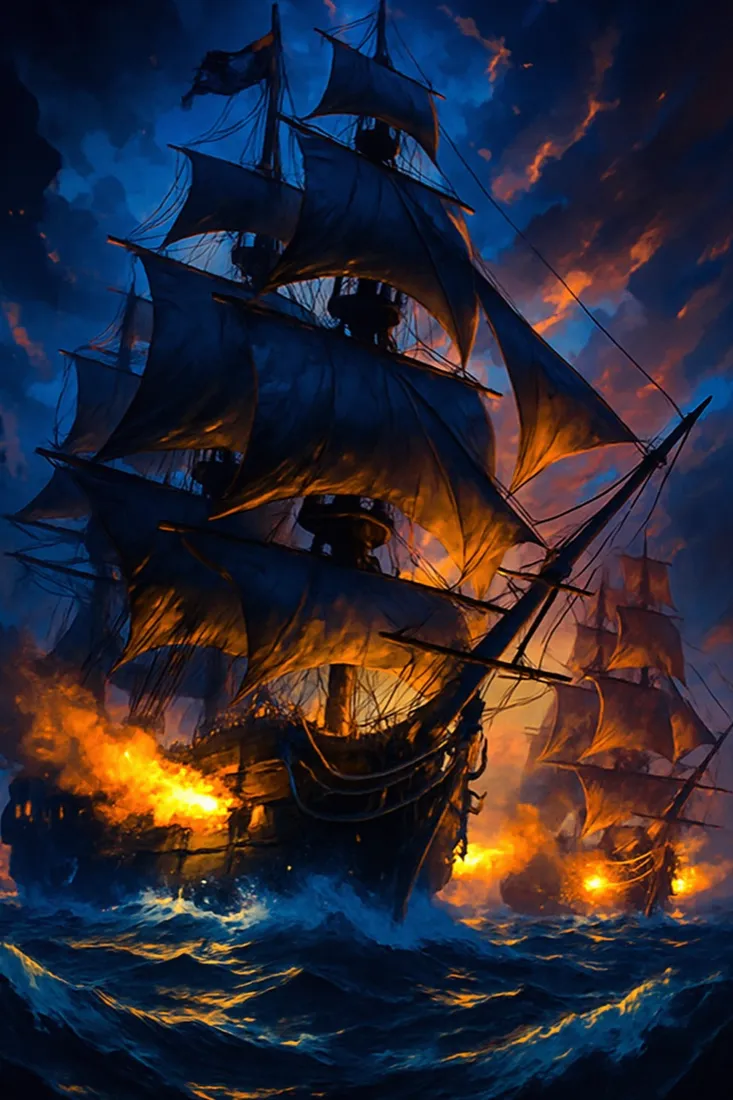
Land troops cannot cross water on their own, so every attack, every colony and every rescue depends on transport ships, and every transport depends on warships keeping the lane clear. Lose your fleet and your splendid hoplites are stuck at home watching the horizon. It is a simple rule, and it makes naval strength the centre of almost every conversation.
Travel times add a layer of planning that rewards people who enjoy timetables. You send ships, they sail for a while, and the result arrives later as a report. We learned to time attacks around our own sleep rather than chase every alert, and the game is far more pleasant once you stop trying to watch it constantly.
Alliances, wonders and the long game
Grepolis is at its best with company. Alliances share intelligence, coordinate attacks and defend members who are offline, and a good one turns the game into a long-running conversation. Ours had a chap who drew battle plans in a shared spreadsheet, and nobody minded. Late in a world, alliances race to build World Wonders, which gives the whole server a finish line.
The flip side is that a weak or absent alliance makes the mid-game lonely and dangerous. Premium features and speed-ups exist, and big spenders can be felt on a busy world, but organisation and patience still beat a heavy wallet more often than you might expect. Pick a newer world and join an alliance early.
Grepolis: the first week afloat
- Follow the tutorial quests all the way through; they pay out resources and explain the timber camp, quarry, silver mine and farm.
- Trade with and gather from the farming villages on your own island as soon as you can, because they speed up early growth enormously.
- Pick your god deliberately: Poseidon for a sea-minded player, Hera if you want calmer production, Athena or Zeus for broader options.
- Build the harbour early and research transport ships so you can reach beyond your home island when the time comes.
- Join an active alliance before your beginner protection ends, and read its rules; most share simple advice for newcomers.
What we love
- Naval control genuinely decides wars, so the island setting is never just decoration.
- Gods and mythical units add drama without drowning the economy underneath.
- Alliances create real stories, rivalries and friendships that last for months.
- The phone app makes quick queue-and-go check-ins easy away from the desk.
What grates
- Mid-game without a good alliance can feel lonely and exposed to bigger neighbours.
- Timers stretch noticeably as cities grow, nudging you towards speed-ups.
- Busy worlds reward constant attention, which not everyone can give.
Who Grepolis suits best
Grepolis suits players who like their strategy slow and social, who enjoy reading a map and planning around travel times, and who are happy to join an alliance and talk tactics. If you want instant action or solitary play, look further down our shelf.
Grepolis, weighed at the quay
Grepolis earns the top berth because it never forgets the sea. Islands shape the economy, fleets decide the wars, and a patron god gives each city its own temper. It asks for regular visits and rewards company more than cash. Give it a fortnight on a fresh world with a decent alliance and you will understand why so many players have stayed with it for years.